
Automatic Washing Machine Slow Water Filling: Unclogging Inlet Valve Screens & Sand Filters
Fix 4C, 4E, and IE water supply error codes on LG, Samsung, and Bosch washers. Clean calcified mesh filter screens, test 220V solenoid coils, and balance booster pump pressure.
In this article17
1. Executive Summary & The Reality of Saudi Arabia's Climate
Maintaining Automatic Laundry Appliance Solenoid Inlet Valves, Silt Mesh Screens, and Hydrostatic Pressure Sensors in the Kingdom of Saudi Arabia requires an engineering approach that directly accounts for the harshest desert climate conditions on earth. Whether you manage a modern villa in the north of Riyadh, a coastal residence overlooking the Red Sea in Jeddah, or an expansive family estate in the Eastern Province (Dammam, Khobar, and Dhahran), external environmental parameters dictate operational reliability.
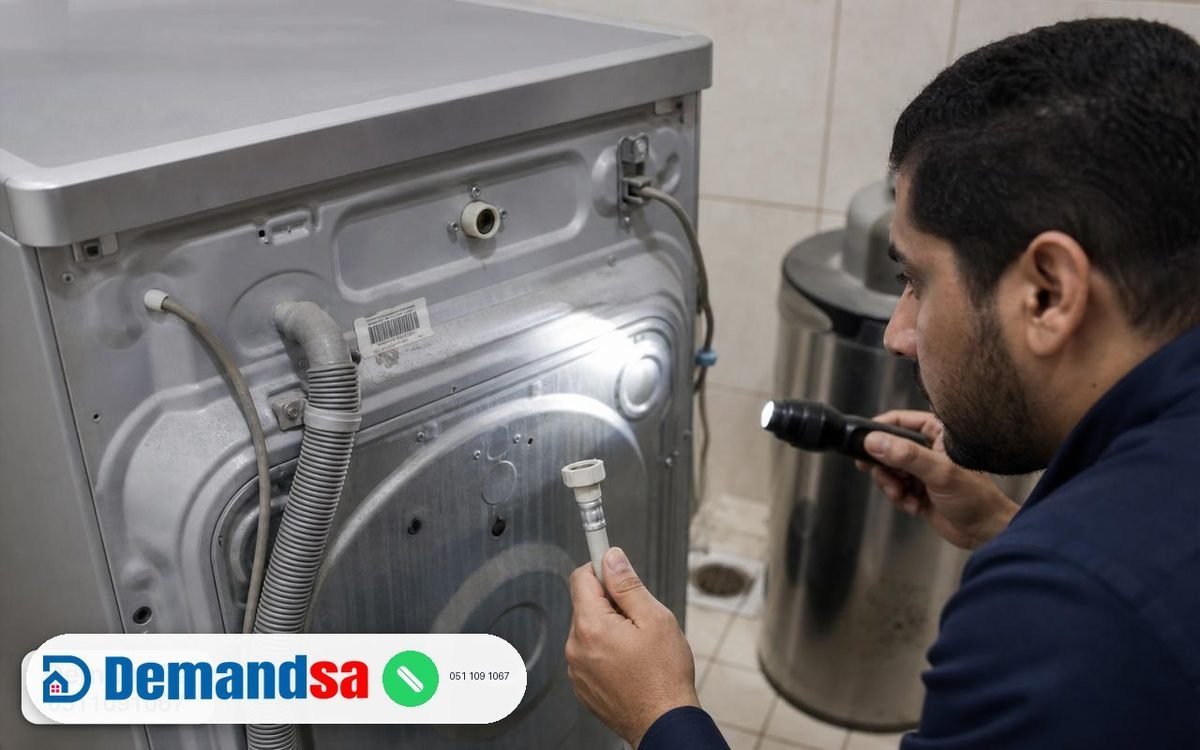
Modern front-load and top-load automatic washing machines (LG Inverter, Samsung EcoBubble, Bosch Serie 6) are sensitive to water supply quality. In Saudi villas, domestic water is delivered under electric booster pump pressure (Dynamo) carrying fine sand sediment from rooftop fiberglass tanks and dissolved calcium hardness. This grit accumulates directly against the ultra-fine stainless steel mesh filter screens located inside the machine's water inlet ports, choking water flow to a trickle and triggering computer error codes (4C, 4E, IE, or E02) that abort laundry cycles.
When ambient daytime summer temperatures consistently hover between 46°C and 52°C, equipment safety margins narrow dramatically. A minor issue—such as a 10% reduction in heat transfer, a minor electrical phase unbalance, or a partially restricted drainage line—compounds rapidly under continuous thermal stress into catastrophic component failure. Beyond the immediate inconvenience and disruption to household comfort, unaddressed problems accelerate electricity consumption across Saudi Electricity Company (SEC) progressive billing tiers, causing monthly utility expenses to skyrocket. Understanding the technical mechanics of your installation, executing systematic diagnostic checklists, and adhering to the Saudi Building Code (SBC) standards ensures long-term performance, family safety, and significant financial savings over the asset's operating lifespan.
---
2. Technical Anatomy & Core Component Architecture
To troubleshoot and maintain Automatic Laundry Appliance Solenoid Inlet Valves, Silt Mesh Screens, and Hydrostatic Pressure Sensors effectively, homeowners and facility managers must understand the critical components that make up the system:
- Primary Mechanical & Electrical Assemblies: Modern residential installations rely on Dual/Triple 220VAC water inlet solenoid valve bodies, conical fine-mesh sediment filter screens, braided rubber/stainless water supply hoses, and electronic pressure transducers (air-pressure water level switches)..
- Thermal & Environmental Vulnerabilities: Extreme temperature swings between blistering outdoor sunlight and air-conditioned indoor spaces create thermal expansion and contraction cycles. This physical movement loosens terminal lugs, strains mechanical joints, and accelerates the degradation of rubber gaskets, synthetic seals, and protective coatings.
- Atmospheric Contaminants: Fine airborne silica particles from seasonal Shamal sandstorms possess high abrasive properties. When drawn into moving parts or electrical contacts, silica dust combines with ambient moisture or lubricant grease to form a destructive abrasive paste that scorches electrical contacts and grinds away metallic bearings.
---
3. Comprehensive Diagnostic Protocol & Warning Signs
Before undertaking any mechanical intervention or scheduling a service technician, complete this systematic diagnostic procedure to pinpoint the root cause of the malfunction:
Physical Symptoms to Inspect Homeowners commonly report the following warning indicators: Washing machine taking 30+ minutes just to fill with water, detergent powder left sitting undissolved in the dispenser drawer, cycle pausing midway with a beeping error code (4C or IE), or humming sounds from the back of the washer without water entering.
Step-by-Step Diagnostic Routine 1. Visual & Acoustic Assessment: Inspect exterior and interior housings for signs of physical distress, including oil staining (indicating refrigerant or hydraulic leaks), scorching or discoloration near electrical terminations, violent vibrations, or abnormal mechanical grinding sounds. 2. Operational Load & Environmental Check: Verify ambient conditions. Confirm that ventilation clearances around outdoor units comply with manufacturer minimums (at least 50cm from structural perimeter walls). 3. Electrical Verification: Utilize a calibrated True-RMS digital multimeter to measure operating voltage and running amperage. Compare measured values against the manufacturer technical nameplate rating; any deviation exceeding ±7% warrants immediate shutdown to prevent motor winding burnout. 4. Thermal Imaging & Differential Temperature: For cooling and heating circuits, measure the temperature drop (Delta T) between intake and supply registers; a healthy system should sustain a consistent thermal differential appropriate to its design specifications.
---
4. Step-by-Step Professional Execution & Service Walkthrough
When performing preventative maintenance or executing corrective repairs, strictly follow this certified step-by-step engineering walkthrough:
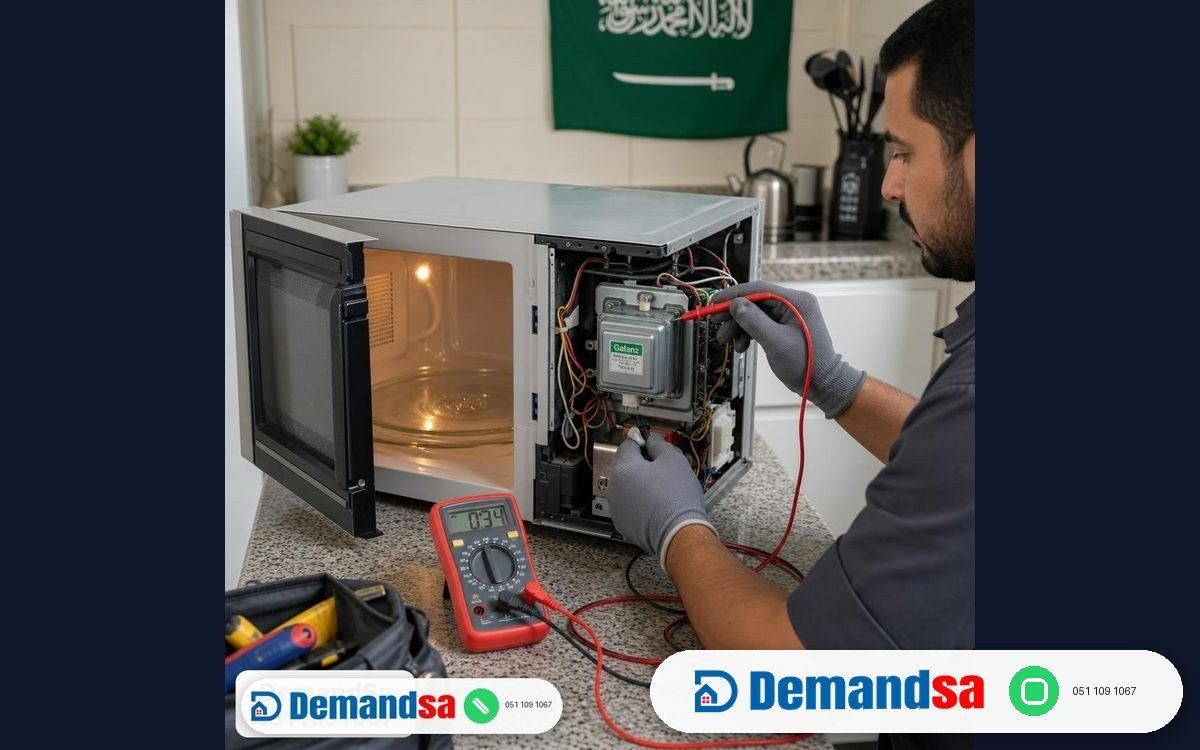
- Safety Isolation: unplug the washing machine electrical cord from the wall outlet; shut off the hot and cold brass supply angle valves behind the machine. 2. Disconnect Supply Hoses: place a shallow pan or towel beneath connections; unscrew the female hose coupling nuts from the plastic inlet valve threads on the rear upper panel of the washer. 3. Extract the Sediment Filter Screens: look inside the plastic inlet valve ports; use small needle-nose pliers to gently pull out the small plastic/stainless steel mesh filter thimbles; do not damage the fine mesh. 4. Descaling & Sand Removal: in 90% of cases in Saudi Arabia, the mesh is completely clogged with brown sand gravel and rock-hard calcium scale; scrub the screens under running tap water using a stiff toothbrush; soak in white vinegar for 15 minutes to dissolve limestone crusts until light passes freely through all mesh openings. 5. Inspect Solenoid Valve Resistance: if water flow remains sluggish after cleaning screens, test the 220V solenoid valve coils using a digital multimeter set to Ohms; a healthy coil should measure between 2,000 and 4,000 ohms (2k–4kΩ); an open circuit (infinite ohms) indicates a burned coil that cannot open its internal magnetic diaphragm. 6. Reinstall & Leak Check: push clean filter screens firmly back into valve ports; reconnect hoses with fresh rubber washers; hand-tighten nuts and add a 1/4-turn with pliers (never over-tighten plastic threads); open water valves and inspect for drips. 7. Run a Test Rinse Cycle: start a quick rinse cycle; water should blast into the detergent dispenser drawer in a powerful cascading waterfall, completing filling in under 2 minutes.
Essential Tooling & Safety Equipment - True-RMS Digital Multimeter and Clamp Meter (CAT III 600V certified). - Calibrated Torque Wrench (1.0 to 25.0 Nm range). - Personal Protective Equipment (PPE): Level 2 dielectric safety gloves, impact-resistant safety goggles, and steel-toe work boots. - Genuine OEM replacement parts matched to exact equipment serial numbers. Never substitute generic unauthorized parts on high-stress Saudi residential systems.
---
5. Saudi Building Code (SBC) & Regulatory Compliance
All residential installations and contractor modifications within the Kingdom must conform rigorously to national engineering frameworks:
- Primary Regulatory Standard: SASO IEC 60335-2-7 (Electric Washing Machines Safety Standards) and SASO Water Efficiency Labelling.
- Earthing & Ground Bonding: In accordance with SBC requirements, earth continuity conductors must be securely bonded, maintaining an earth loop impedance strictly below 5.0 ohms to safeguard human life against fatal electric shock.
- Municipal & Environmental Guidelines: Waste refrigerants, contaminated lubricating oils, and chemical wash runoff must be captured and disposed of through authorized environmental recycling facilities, avoiding illegal discharge into municipal storm or sewer systems.
---
6. 2026 Transparent Saudi Market Pricing Matrix (SAR)
To protect homeowners against price gouging and substandard workmanship, DemandSa maintains complete pricing transparency across all major Saudi metropolitan centers:
| Service Classification | Average Market Price (SAR) | Typical Service Duration | Standard Warranty Period |
| :--- | :--- | :--- | :--- |
| Comprehensive Diagnostic Inspection | SAR 100 – 180 | 45 – 60 Minutes | Included in Service |
| Standard Preventive Service & Tune-Up | SAR 180 – 350 | 1.5 – 2.5 Hours | 30 Days |
| Intermediate Part Replacement | SAR 250 – 550 | 1.0 – 2.0 Hours | 90 Days (Parts & Labor) |
| Major Assembly Overhaul / Replacement | SAR 750 – 2,200 | 3.0 – 6.0 Hours | 180 Days |
| Emergency / Same-Day Dispatch Surcharge | SAR 80 – 150 | Immediate Priority | Guaranteed Fast Arrival |
Note: The pricing figures listed above represent certified competitive market averages across Riyadh, Jeddah, and the Eastern Province as of 2026. Specific costs depend on unit capacity, brand accessibility, and structural requirements.
---
7. Preventative Maintenance Schedule for Saudi Residences
Adhering to a disciplined maintenance schedule prevents costly emergency breakdowns during peak summer heatwaves:
- Bi-Weekly Routine: Inspect air intakes, clear visible windblown dust or debris from surrounding grilles, and verify that drainage paths remain unobstructed.
- Monthly Protocol: Wash reusable filtration elements, conduct visual inspections of electrical isolation switches, and monitor utility meter patterns on the SEC digital app for unusual consumption spikes.
- Biannual Pre-Summer Service (April / May): Commission a comprehensive professional deep clean, chemical coil or pipe flush, electrical terminal re-torquing, and full sensor calibration before seasonal temperatures exceed 40°C.
- Annual Overhaul (October / November): Execute full system descaling, inspect structural vibration isolation pads, check anti-corrosion sacrificial anodes, and renew weather seals around exterior enclosures.
---
8. Top 5 Costly Mistakes Saudi Homeowners Must Avoid
- Hiring Unlicensed Freelance Technicians: Engaging unverified street laborers lacking diagnostic instruments often leads to misdiagnosed faults, stripped bolts, bypassed safety switches, and dangerous electrical fire hazards.
- Postponing Maintenance Until Total Failure: Operating equipment with minor warning noises or reduced output forces internal components to work at extreme temperatures, transforming a simple 150 SAR capacitor replacement into an expensive 2,000 SAR motor burnout.
- Using Substandard Counterfeit Spare Parts: The local market contains gray-market replica parts that fail within weeks under 50°C summer conditions. Always demand verified OEM components with manufacturer warranty papers.
- Ignoring Chemical Flush Guidelines: Using aggressive industrial acids or caustic sodium hydroxide dissolves aluminum fins, thins copper pipe walls, and destroys rubber gaskets, creating hidden leaks inside structural walls and slabs.
- Overlooking Proper Ventilation Clearances: Storing garden furniture, packing boxes, or building decorative wooden screens tight against outdoor condenser units restricts air circulation, triggering chronic high-pressure thermal shutdowns.
---
9. Frequently Asked Questions (Technical Q&A)
Q: What does the '4C' or '4E' error code mean on Samsung washing machines?
Answer: Error 4C (or 4E on older models) indicates a Water Supply Error: the computer detected that water failed to reach the required level within the programmed timeout window (typically 8 minutes), almost always caused by clogged inlet filter screens.
Q: What does the 'IE' error code mean on LG washing machines?
Answer: On LG washers, 'IE' stands for 'Inlet Error', signaling that water is entering the drum too slowly or not at all. Cleaning the mesh screens behind the rear inlet hose restores normal operation.
Q: Should I install an external inline pre-filter before my washing machine?
Answer: YES! Installing an inexpensive clear-bowl 5-inch sediment filter on the washing machine supply line catches rooftop tank sand before it reaches the washer, keeping the internal machine screens spotless permanently.
Q: Why does detergent powder remain clumped in the dispenser drawer?
Answer: Sluggish water flow from clogged inlet screens cannot create the pressurized spray needed to siphon detergent powder down into the drum.
---
10. Professional Assistance & Booking via DemandSa
When technical issues exceed routine DIY cleaning or require precision test instrumentation, rely on DemandSa's network of certified, background-checked residential technicians. We provide rapid dispatch across Riyadh, Jeddah, Mecca, Medina, Dammam, Khobar, and 12 additional cities across the Kingdom.
- Certified & Vetted Technicians: Every professional is licensed, thoroughly vetted, and compliant with Saudi Building Code standards.
- Upfront & Transparent Pricing: Receive clear quotations with zero hidden surcharges or surprise fees.
- Ironclad Warranty Guarantee: All service jobs include warranty coverage on both replacement parts and technician labor.
- Fast Same-Day Dispatch: Book directly through the DemandSa web platform or mobile app, or contact our dedicated customer support desk at 0511091067.
Was this article helpful?
Your feedback helps us improve.
Written by
DemandSa Appliance Technicians
DemandSa expert sharing hands-on home-service know-how.
Weekly DemandSa digest
Best home-service tips every Sunday. No spam.
Comments0
Be the first to comment on this article.